
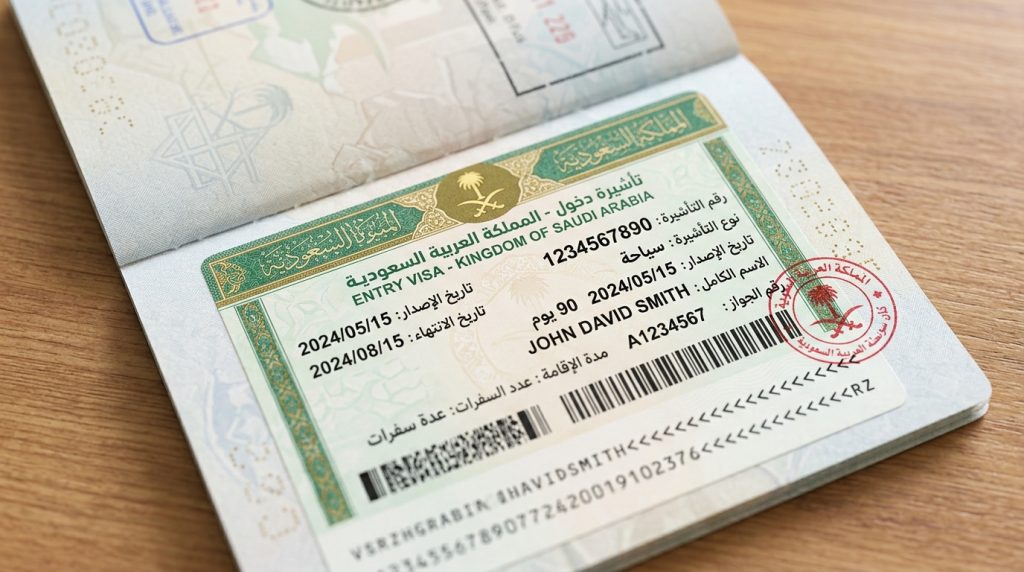
The Kingdom of Saudi Arabia has established itself as one of the world’s most rapidly evolving travel destinations. Through its visionary cultural transformations and aggressive infrastructure investments, the country has opened its ancient historical landmarks, futuristic megacities, and highly revered spiritual sanctuaries to the international community. For European travelers and global explorers alike, visiting the Arabian Peninsula has transitioned from a logistically complex undertaking into a highly streamlined, modern travel experience.
Planning a trip to this dynamic region requires a clear understanding of the digital entry systems, proper documentation pathways, and the local travel infrastructure. By aligning modern immigration frameworks with advanced transit networks, the Kingdom ensures that visitors can focus entirely on their personal, spiritual, or professional objectives.
A Digital Bridge for European Pilgrims
Historically, traveling to the Middle East for religious purposes involved extensive paperwork, third-party coordination, and significant waiting periods. As part of its modern administrative updates, the Saudi government has heavily digitized its immigration architecture. By introducing accessible online platforms, the Kingdom has made it simple for international faithful to fulfill their lifelong spiritual aspirations.
This digital shift is highly beneficial for European residents seeking to perform pilgrimages outside the traditional Hajj season. For instance, obtaining a specialized SAUDI UMRAH FOR SPANISH citizens credential is now a fast, entirely online procedure. This electronic system allows Spanish passport holders to apply for and receive their travel authorizations within days, completely bypassing the need for physical embassy visits. The digital visa grants access to the holy cities of Makkah and Madinah, while also providing the legal flexibility to explore the rest of the country’s diverse cultural landscapes and historical sites during the stay.
Navigating the Kingdom’s Modern Transit Networks
Once entry is secured, the next vital element of a successful journey is understanding how to move efficiently between cities, historic locations, and spiritual hubs. The country’s vast geographic scale—stretching from the Red Sea coast to the Arabian Gulf—demands a robust, reliable, and diverse transit ecosystem.
To maximize efficiency and avoid logistical delays, consulting a detailed SAUDI ARABIA TRANSPORTATION GUIDE before arriving is highly recommended. The country’s transit infrastructure has undergone a massive modernization program, offering travelers premium, high-speed alternatives:
- The Haramain High-Speed Railway: This state-of-the-art electric rail network connects Makkah, Jeddah, King Abdullah Economic City, and Madinah. Traveling at speeds up to 300 km/h, it reduces the travel time between the two holy cities to under two and a half hours, providing maximum comfort for international pilgrims.
- Ride-Hailing and Digital Apps: Major urban centers like Riyadh, Jeddah, and Dammam feature fully integrated ride-hailing services such as Uber and Careem. These applications provide transparent pricing, English-speaking drivers, and cashless transactions, making city navigation incredibly simple for foreign tourists.
- Intercity Air Travel: For travelers looking to venture from the western historic sites to the northern landscapes of AlUla or the corporate towers of Riyadh, the domestic airline network provides frequent, short-duration flights connecting all major regional airports.
Essential Pre-Arrival Checklist for International Visitors
To ensure a smooth transition through border control and a comfortable stay, international travelers should integrate a few key preparation steps into their planning routines:
1. Confirm Document and Passport Validity
Ensure your physical passport is valid for at least six months beyond your intended date of entry. Keep high-resolution digital scans of your passport data page and a recent passport-style photograph saved on your devices, as these files must be uploaded during the online submission process.
2. Embrace Public Modesty and Social Norms
While the nation has modernized significantly and relaxed several historical dress regulations for foreign tourists, public modesty remains deeply respected. Visitors are advised to dress conservatively in public areas, covering their shoulders and knees, especially when entering religious spaces, traditional markets, or government offices.
3. Leverage the Advanced Digital Economy
The country boasts a highly advanced, cash-light financial ecosystem. International credit cards, major debit networks, and contactless mobile payment applications are universally accepted in hotels, restaurants, and retail outlets. However, carrying a small amount of local currency (Saudi Riyal) remains useful for small transactions in traditional souks.
A Fulfilling and Accessible Journey Ahead
The dual evolution of rapid electronic visa access and top-tier transit infrastructure marks a historic milestone in the Kingdom’s global integration. By removing administrative friction and building world-class transportation networks, the nation has made it easier than ever for global travelers to experience its legendary hospitality and rich heritage. With the correct digital documentation in hand and a clear travel strategy, international visitors can look forward to a thoroughly enriching, secure, and profoundly memorable journey.
