
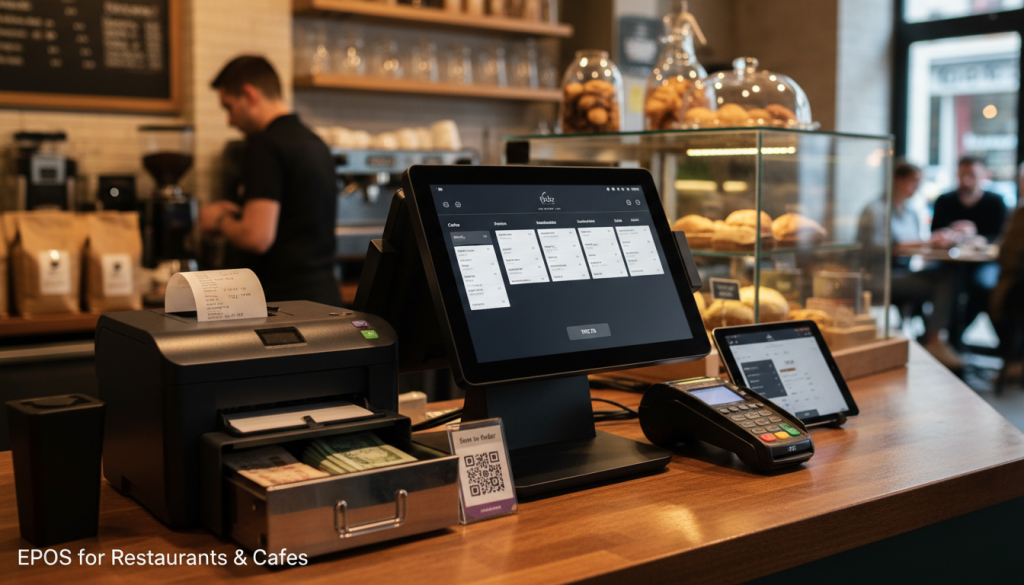
The hospitality industry has always been defined by its ability to adapt. From the traditional handwritten ticket to the frantic shouts across a busy kitchen, the goal has remained the same: providing an exceptional guest experience. However, in today’s fast-paced, digital-first economy, the tools behind the scenes have become just as important as the ingredients in the kitchen. For modern owners, implementing a robust EPOS for restaurants & cafes is no longer a luxury—it is the foundation of sustainable growth.
The Evolution of the Point of Sale
Years ago, a point-of-sale system was little more than a glorified cash register. It served one purpose: processing a transaction. Today, the landscape is entirely different. An integrated EPOS for restaurants serves as a centralized management hub that connects the front-of-house service with back-of-house operations.
In a busy cafe or a high-turnover restaurant, every second counts. The ability to send an order directly from a tablet at the table to a kitchen display system (KDS) eliminates the risk of misread handwriting and reduces the time customers spend waiting. This seamless flow of information is what separates a chaotic service from a professional one.
Solving the Modern Hospitality Puzzle
Running a food and beverage business involves juggling dozens of moving parts simultaneously. A professional hospitality POS system addresses the three most significant pain points for owners:
1. Real-Time Inventory Control
One of the fastest ways to lose money in hospitality is through wastage and unrecorded stock usage. Modern EPOS systems provide granular insights into inventory levels. When a specific dish is sold, the system automatically deducts the ingredients from the digital pantry. This allows managers to identify “dead stock” and optimize their ordering cycles, ensuring that capital isn’t tied up in ingredients that aren’t selling.
2. Data-Driven Decision Making
The human touch is vital for service, but data is vital for strategy. An effective EPOS for restaurants & cafes generates detailed reports that reveal peak trading hours, most profitable menu items, and staff performance metrics. Instead of guessing which “Daily Special” was a hit, owners can look at hard data to refine their offerings for the following week.
3. Enhanced Customer Loyalty
In a competitive market, customer retention is more cost-effective than acquisition. Modern systems allow for integrated loyalty programs where customers can earn points or receive personalized discounts directly through the POS. By recognizing a “regular” through the system, cafes can provide that personalized feeling that keeps guests coming back.
Bridging the Gap Between Online and Offline
The post-pandemic world has seen a permanent shift toward multi-channel dining. Customers now expect to be able to order through a mobile app, book a table online, or walk in for a quick takeaway.
A sophisticated EPOS for restaurants & cafes acts as the bridge between these channels. When an online order comes in, it should appear on the same screen as the in-house orders, preventing staff from becoming overwhelmed by multiple tablets and printers. This “unified commerce” approach ensures that the brand experience is consistent, whether the customer is sitting in a booth or eating on their sofa at home.
Why Quality Content and Niche Edits Matter
For businesses looking to improve their digital footprint, the quality of the content where their links reside is paramount. Search engines today prioritize “EEAT” (Experience, Expertise, Authoritativeness, and Trustworthiness).
By providing an article that genuinely educates the reader on the operational benefits of technology—rather than just repeating keywords—we create a “niche edit” quality piece. This informative approach signals to search engines that the linked website is a trusted authority in the hospitality technology sector, which is essential for long-term indexing and ranking success.
Final Thoughts: Investing in Longevity
The decision to upgrade your hospitality technology is an investment in your team’s sanity and your business’s bottom line. As restaurants and cafes continue to navigate rising costs and changing consumer habits, having a reliable EPOS for restaurants & cafes provides the agility needed to pivot and thrive.
When you remove the friction from the transaction, you give your staff more time to do what they do best: creating memorable moments for your guests.
