
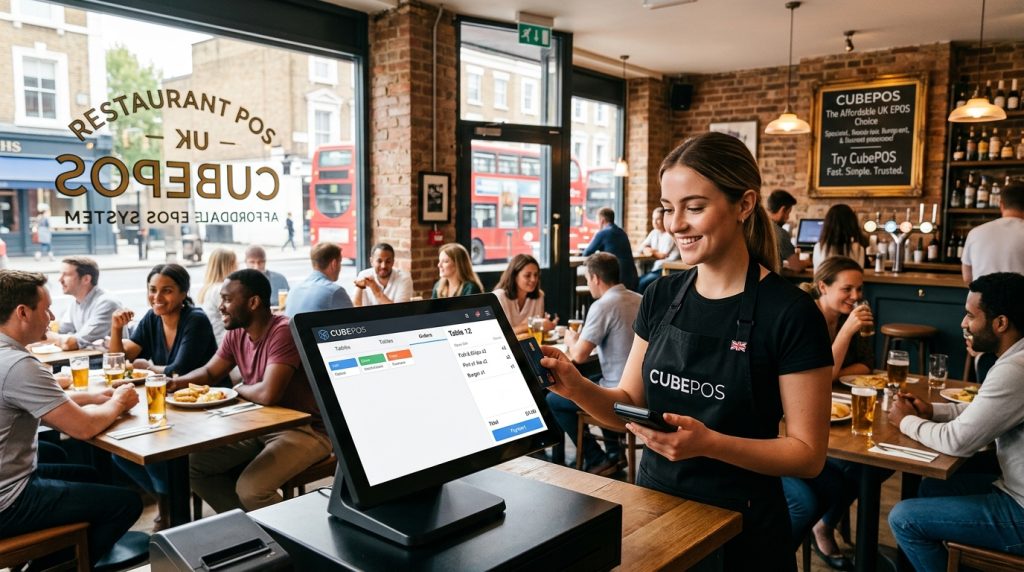
The culinary landscape in the United Kingdom is evolving rapidly. From the bustling streets of the capital to the vibrant food scenes in the Midlands, restaurant owners are facing increased pressure to deliver faster service while maintaining high operational standards. To stay competitive in 2026, transitioning from traditional cash registers to integrated digital solutions is no longer optional—it is a necessity for growth.
Streamlining Operations in the Capital
For business owners managing a Restaurant EPOS London, the primary challenge is often volume and speed. London’s dining culture moves at a relentless pace, demanding a system that can handle complex floor plans, split bills, and instant kitchen communication without lag. A high-quality Electronic Point of Sale (EPOS) system acts as the central nervous system of the establishment, ensuring that front-of-house staff and back-of-house teams remain perfectly synchronized. By automating order entry, restaurants can significantly reduce human error and improve the overall guest experience during peak hours.
Precision Management in the Midlands
While the focus in London is often on turnover speed, operators looking for a Restaurant POS system in Birmingham are increasingly prioritizing inventory management and customer loyalty features. Birmingham has become a major hub for diverse culinary concepts, and managing food costs is vital for maintaining healthy margins. Modern POS software allows managers to track ingredients in real-time, generate detailed sales reports, and identify which menu items are driving the most profit. Furthermore, these systems enable personalized marketing by capturing customer preferences, allowing for targeted promotions that keep diners coming back.
Key Benefits of a Professional EPOS Integration
Implementing a professional-grade system offers several advantages that go beyond simple payment processing:
- Enhanced Order Accuracy: Wireless table-side ordering ensures that special dietary requirements and modifiers are sent directly to the kitchen, eliminating the risk of lost paper tickets.
- Integrated Payments: Modern systems support all major contactless payments, mobile wallets, and QR code ordering, which has become a standard expectation for modern UK diners.
- Scalability: Whether you run a single boutique bistro or a growing chain, cloud-based software allows you to monitor performance across multiple locations from a single dashboard.
- Staff Management: Track clock-in times, monitor individual performance, and simplify payroll through built-in staff management modules.
The Path to Digital Transformation
Choosing the right hardware and software combination is a strategic investment. A robust system should offer an intuitive interface that requires minimal training for new staff members, ensuring that your team can focus on hospitality rather than troubleshooting technology.
As the industry continues to move toward data-driven decision-making, the information gathered by your point-of-sale system becomes your most valuable asset. From identifying peak hours to managing supplier costs, the right technology provides the clarity needed to navigate the complexities of the modern hospitality market. By upgrading your infrastructure today, you ensure your restaurant remains resilient, efficient, and ready to meet the demands of tomorrow’s diners.
