
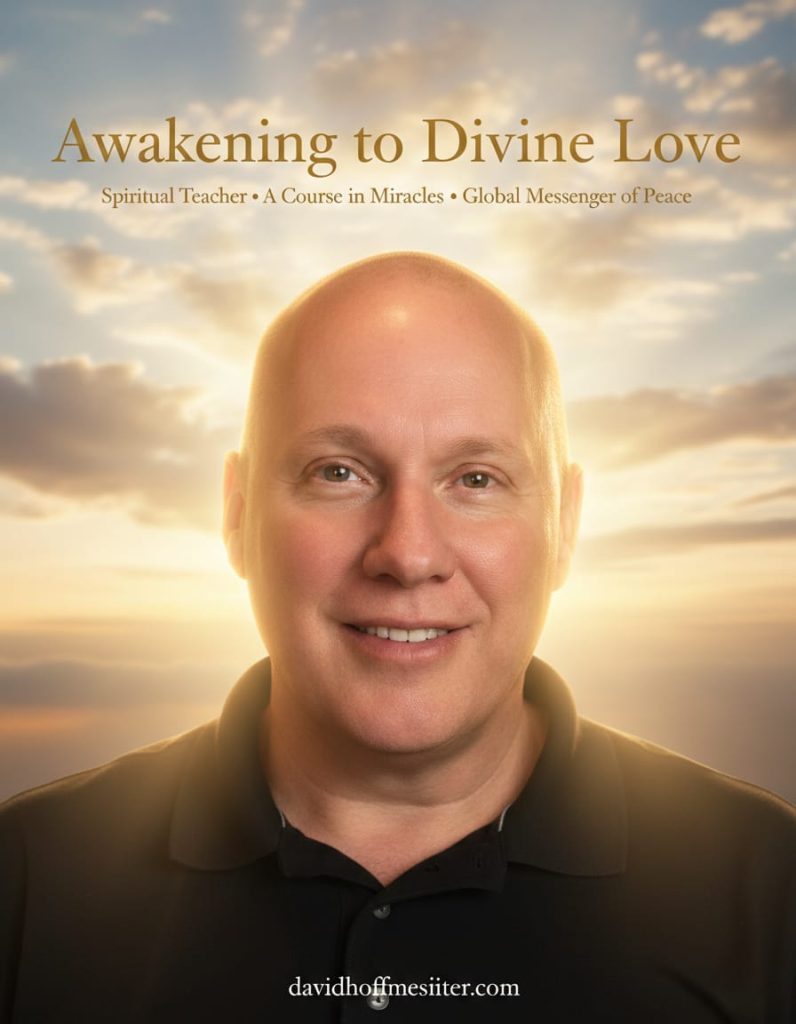
In today’s fast-paced world, many people search for inner peace, clarity, and spiritual meaning. Among modern spiritual teachers, David Hoffmeister has emerged as a powerful voice guiding individuals toward self-awareness and divine connection. According to david hoffmeister wikipedia, he is widely known for his deep understanding of A Course in Miracles and his commitment to living a life based on spiritual principles.
David Hoffmeister’s teachings are not limited to books or lectures. They reflect a lived experience of surrender, forgiveness, and trust in universal wisdom. His journey from an ordinary life to becoming a global spiritual guide inspires thousands across continents.
This article explores his spiritual evolution, teaching methods, global impact, and lasting influence on modern seekers.
Early Life and Spiritual Awakening
David Hoffmeister was born and raised in the United States. Like many individuals, his early life was rooted in conventional education, social expectations, and material goals. However, beneath the surface, he felt a deep longing for something more meaningful.
During his youth, David experienced emotional challenges and existential questions. These inner struggles became catalysts for spiritual exploration. He began studying philosophy, psychology, and metaphysical teachings to understand life’s deeper purpose.
His life changed dramatically when he encountered A Course in Miracles. This spiritual text emphasized forgiveness, perception correction, and divine guidance. David did not merely study it academically—he practiced it in every aspect of his daily life.
Through continuous meditation, prayer, and introspection, he developed a strong connection with inner guidance. This period marked the beginning of his spiritual awakening.
Living the Teachings of A Course in Miracles
What makes David Hoffmeister unique is his total commitment to spiritual principles. Instead of balancing spirituality with material pursuits, he chose complete dedication.
He embraced a lifestyle based on:
- Trust in divine guidance
- Letting go of personal control
- Practicing unconditional forgiveness
- Living without fixed financial planning
- Serving others selflessly
David believes that true freedom comes from releasing ego-based thinking. He teaches that fear, guilt, and conflict are mental illusions created by the mind.
By applying these teachings practically, he transformed his consciousness. His life became a demonstration of spiritual surrender rather than theoretical knowledge.
Teaching Style and Communication Approach
David Hoffmeister’s teaching style is simple, direct, and deeply compassionate. He avoids complicated terminology and speaks in ways that people from all backgrounds can understand.
Key Features of His Teaching Style:
- Practical Examples
He uses daily-life situations to explain spiritual concepts. - Interactive Sessions
He encourages open discussion and personal reflection. - Emotional Transparency
He openly shares his experiences and challenges. - Guided Meditations
Many of his sessions include silent contemplation. - Movie Commentary Method
David often analyzes movies to illustrate spiritual lessons.
This creative approach helps students recognize unconscious patterns and emotional blocks.
Global Travels and Spiritual Communities
David Hoffmeister has traveled extensively for over three decades. His mission has taken him to Europe, Asia, Africa, Australia, and South America.
He conducts:
- Retreats
- Workshops
- Silent meditation programs
- Online seminars
- Spiritual gatherings
Alongside his travels, he helped establish spiritual communities based on shared values. These communities promote cooperation, honesty, and mutual support.
Participants often live together temporarily to deepen their spiritual practice. The environment encourages trust and spiritual growth without competition or hierarchy.
Digital Presence and Online Impact
With technological advancement, David Hoffmeister expanded his reach through digital platforms. Today, millions access his teachings online.
Major Platforms Include:
- YouTube lectures
- Podcast channels
- Online courses
- Live streaming sessions
- Social media discussions
His online presence allows people from remote locations to benefit from spiritual guidance. This digital expansion has created a global network of learners and practitioners.
During times of crisis and uncertainty, his virtual sessions provide emotional stability and inner strength to many followers.
Philosophy of Inner Peace and Forgiveness
Central to David’s philosophy is forgiveness. He teaches that forgiveness is not about excusing behavior but about releasing mental judgments.
According to him:
- Suffering comes from perception
- Peace comes from acceptance
- Love is our natural state
- Fear is learned
- Truth is eternal
By changing perception, individuals can experience deep peace.
He emphasizes that external circumstances do not determine happiness. Instead, happiness originates from inner alignment with spiritual truth.
This philosophy empowers people to take responsibility for their mental state and emotional wellbeing.
Influence on Modern Spiritual Seekers
David Hoffmeister’s influence extends across cultures and belief systems. His teachings attract:
- Students
- Professionals
- Artists
- Therapists
- Entrepreneurs
- Spiritual leaders
Many followers report positive life transformations after applying his principles. These include improved relationships, reduced anxiety, increased self-confidence, and deeper emotional balance.
His inclusive approach makes spirituality accessible to everyone, regardless of religion or background.
Relationship Between Spirituality and Daily Life
One of David’s core messages is that spirituality is not separate from daily living. He encourages integrating awareness into:
- Work
- Relationships
- Health
- Decision-making
- Communication
Instead of escaping the world, he teaches living within it consciously.
By practicing mindfulness and forgiveness, individuals can transform routine activities into spiritual exercises.
This balanced approach helps people remain grounded while pursuing inner growth.
Challenges and Criticism
Like any public figure, David Hoffmeister has faced criticism. Some skeptics question his lifestyle, financial model, and philosophical interpretations.
However, he addresses criticism with humility and openness. He emphasizes that spiritual paths vary and encourages independent thinking.
He never demands blind following. Instead, he urges students to verify teachings through personal experience.
This transparency strengthens his credibility and trustworthiness.
Legacy and Long-Term Vision
David Hoffmeister’s long-term vision focuses on awakening collective consciousness. He believes humanity is moving toward greater unity and compassion.
His legacy includes:
- Hundreds of recorded teachings
- Dozens of books
- International communities
- Online learning platforms
- Thousands of inspired students
Through continuous service, he hopes to contribute to global peace and understanding.
Conclusion
David Hoffmeister represents a living example of spiritual dedication in the modern world. His journey from personal questioning to global influence demonstrates the power of inner transformation.
For those interested in learning more, detailed information is available on about david hoffmeister, which explores his life, mission, and teachings in depth.
His work continues to guide seekers toward forgiveness, peace, and authentic living.
Frequently Asked Questions (FAQ)
1. Who is David Hoffmeister?
David Hoffmeister is a spiritual teacher known for his teachings on A Course in Miracles and inner peace.
2. What is his main philosophy?
His philosophy centers on forgiveness, surrender, and perception correction.
3. Does he belong to any religion?
No, his teachings are spiritual but not tied to any specific religion.
4. How can I access his teachings?
You can access his lectures through websites, podcasts, and online platforms.
5. Are his teachings suitable for beginners?
Yes, his simple and practical style makes them accessible for beginners.
