
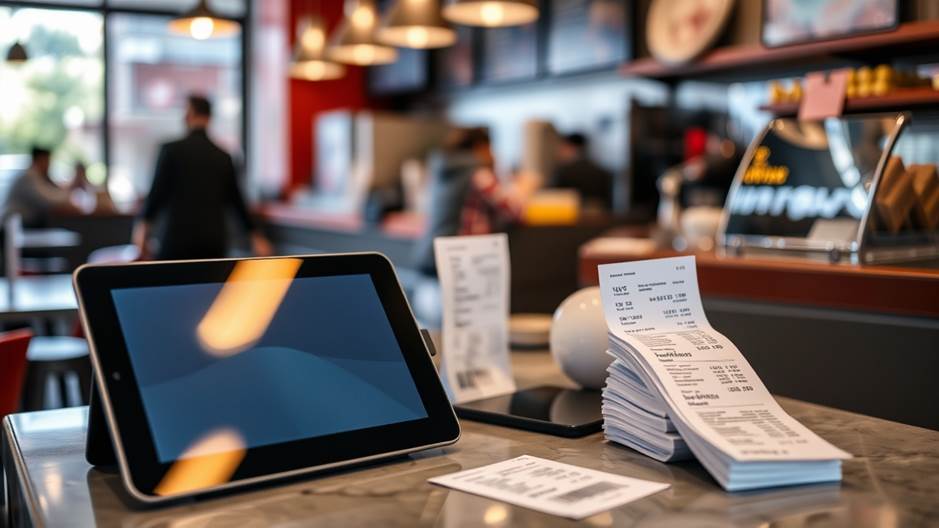
Navigating the vibrant London hospitality scene requires savvy management, especially when it comes to technology. Choosing the right POS system is crucial for restaurant owners aiming to streamline operations, manage costs effectively, and enhance customer experiences. This guide offers smart buying tips to help you find an affordable Restaurant POS system that meets the specific needs of your restaurant, cafe, or takeaway business in London.
Cost Pressures in London Hospitality
Understanding the Financial Landscape
The UK hospitality business, particularly in a high-cost location like London, faces significant financial pressures that can be alleviated with effective use of technology like tablets. Restaurant owners must navigate rising ingredient costs, staffing expenses, and property rents. Selecting an affordable POS system is one way to mitigate these challenges, ensuring that your investment in technology delivers value without breaking the bank. The best point of sale systems can offer significant cost savings through efficient order management, inventory tracking, and streamlined payment processing.
Impact of Rising Costs on Restaurant Operations
Rising costs in London directly impact restaurant operations, often forcing restaurant owners to make difficult choices. These pressures affect everything from menu pricing to staffing levels. An efficient POS system can help absorb some of these shocks by optimizing processes, reducing waste, and improving overall efficiency. For example, a good restaurant POS system should accurately track ingredient usage, minimizing spoilage and helping to control food costs, a key factor in maintaining profitability.
Strategies to Manage Financial Pressures
To manage financial pressures effectively, restaurant owners should adopt a multi-faceted approach that includes investing in technology like tablets or ipads for better service. This includes careful menu planning, efficient staffing, and strategic technology investments, such as investing in a modern till system. Choosing the right POS system is a critical part of this strategy. A cloud-based POS system can often provide a more affordable solution compared to traditional systems, offering flexibility and scalability without the high upfront costs. By integrating a cost-effective POS system, you can better track sales, manage inventory, and improve overall business performance in London’s competitive market.
What “Affordable” Really Means
Defining Affordability in POS Systems
When considering an affordable POS system, the definition of “affordable” varies widely depending on the restaurant’s size, location, and specific needs. For a small cafe or takeaway, affordable might mean a basic, low-cost POS system with essential features, while a multi-branch restaurant may prioritize a system offering comprehensive management tools despite a higher initial cost. The best Restaurant POS system offers a balance between initial pricing and long-term value, ensuring they fit within the restaurant’s budget while enhancing operations.
Comparing Costs Across Different Systems
Comparing costs across different POS options requires a detailed analysis of both upfront and ongoing expenses. Cloud-based POS systems often have lower initial hardware costs but involve monthly subscription fees. Traditional systems may have higher upfront hardware costs but potentially lower long-term software expenses. Restaurant owners should also factor in the cost of installation, training, and customer support. Evaluating these components helps in choosing a POS system that offers the best value for money, aligning with their financial capabilities and operational needs.
Long-term Value vs. Initial Investment
Focusing solely on the cheapest POS system might be tempting, but restaurant owners should prioritize long-term value over initial investment. A more expensive epos system with robust features can streamline operations, reduce errors, and improve customer satisfaction, ultimately increasing revenue and profitability.. Consider features like efficient order tracking, stock management, and integrated payment processing. The right POS can pay for itself over time by enhancing efficiency and reducing operational costs, making it a smart investment for sustained growth.
Features You Shouldn’t Sacrifice
Essential Features for Restaurant Efficiency
Ensuring restaurant efficiency relies on several non-negotiable features. A POS system, for example, should include fast payment processing options and seamless integration with other systems.
- Intuitive order management, allowing staff to quickly and accurately input orders, manage table assignments, and process modifications.
- Robust reporting and analytics capabilities for tracking sales, managing inventory, and identifying areas for improvement.
Efficient kitchen management is also crucial, with features like kitchen display systems (KDS) and order routing that streamline communication between front-of-house and the kitchen, optimizing overall restaurant operations.
Importance of Customer Support
Reliable customer support is critical when choosing a point of sale system for restaurants.. Issues can arise at any time, potentially disrupting service and impacting revenue. Opting for a POS provider that offers 24/7 support ensures that any problems can be quickly resolved, minimizing downtime. Good support for your epos system includes access to knowledgeable technicians, comprehensive documentation, and training resources. A responsive and helpful support team can make a significant difference in the smooth operation of the POS system and overall business.
Integrating Payment Solutions and Management Tools
Seamless integration of payment solutions is vital for modern restaurants using a point of sale system.. The POS system should support various payment methods, including contactless cards, mobile payments, and online ordering platforms. Integration with accounting software and other management tools streamlines financial processes, providing a comprehensive view of business performance. This integration reduces manual data entry, minimizes errors, and provides real-time insights into key performance indicators, enabling better decision-making and improved overall management of the restaurant business.
Subscription vs Upfront Costs
Understanding Subscription Models
Subscription models for POS systems are increasingly popular in the UK hospitality business, especially among small businesses and independent restaurants. This pricing structure usually involves a monthly or annual fee, granting access to the POS software and ongoing support. The cost often includes software updates, cloud storage, and customer service, making it an affordable option for those who prefer predictable expenses. For restaurant owners, this means lower upfront hardware costs and the ability to scale the system as their business grows, making the best use of their budget.
Evaluating Upfront Payment Options
Upfront payment options for POS systems involve a one-time purchase of the software and hardware. This can be attractive for restaurant owners who prefer to avoid recurring monthly costs and want to own their system outright. However, it typically requires a more significant initial investment and may not include ongoing support or software updates. Evaluating this option involves considering the long-term costs of maintenance, upgrades, and potential hardware replacements. Choosing a POS with upfront payment can provide cost certainty but requires careful consideration of future needs.
Cost-Benefit Analysis of Each Approach
Conducting a thorough cost-benefit analysis is crucial when deciding between subscription and upfront payment options for your restaurant POS system. Subscription models offer flexibility and lower initial costs, while upfront payments provide cost certainty in the long run. Consider factors like the size of your restaurant, your budget, and your technology needs. Determine which pricing structure aligns best with your business model and financial goals. By weighing the advantages and disadvantages of each approach, restaurant owners can make an informed decision that maximizes value and supports long-term success.
Hidden Fees to Watch For
Common Hidden Costs in POS Systems
When choosing an epos system, restaurant owners must be vigilant about hidden costs that can significantly impact the overall affordability. These hidden fees can take many forms, including:
- Charges for installation and training
- Costs associated with data migration
- Fees for third-party integrations related to point of sale systems can add up quickly.
Payment processing fees, which can vary based on transaction volume and card types, are another common source of unexpected expenses. Always ask for a detailed breakdown of all potential costs before committing to a POS system to avoid surprises and ensure accurate budgeting for your restaurant.
Understanding Pricing Structures
Understanding the pricing structure of a POS system is essential to making an informed decision. Some providers offer tiered pricing plans with different features and transaction limits, while others provide custom quotes based on your restaurant’s specific needs. Look for transparent pricing with clear explanations of all included features, fees, and potential add-ons. Beware of vendors who are vague about their pricing or use complex jargon, as this could indicate hidden costs. Ensuring clarity upfront about the costs of your point of sale system can help you avoid overpaying for unnecessary features or services.
How to Avoid Surprises in Your Budget
To avoid surprises in your budget when selecting a restaurant POS system, do your research and ask the right questions. Request a comprehensive proposal that outlines all costs, including setup fees, monthly subscription fees, hardware costs for your epos system, and potential charges for support or upgrades. Check customer reviews and testimonials to gauge the provider’s transparency and reliability. Negotiate pricing and payment terms to ensure they align with your budget and cash flow. By being proactive and thorough, you can choose an affordable POS system that meets your needs without breaking the bank.
ROI Perspective
Measuring the Return on Investment
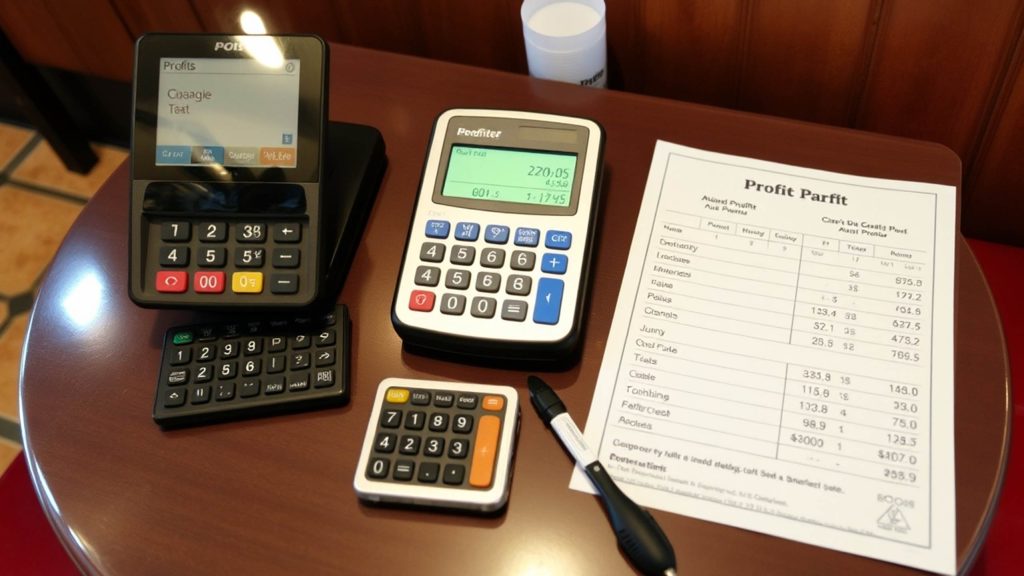
Measuring the return on investment (ROI) of a POS system involves evaluating how the system enhances restaurant operations and contributes to increased revenue. A right POS system can improve order accuracy, speed up table turnover, and streamline kitchen operations, all of which contribute to a better customer experience and higher sales. Restaurant owners should compare the cost of the POS solution, including both hardware and software, with the potential gains in efficiency and revenue. The best epos systems offer detailed reporting and analytics, making it easier to track these improvements and calculate the ROI for your coffee shop business. The system must add value for the restaurant owner.
Evaluating Efficiency Gains
Evaluating efficiency gains is a crucial aspect of determining the value of a restaurant POS system. A restaurant POS system can automate many tasks, from order taking to stock management, freeing up staff to focus on customer service and other essential activities. Efficient order processing reduces errors and speeds up service, leading to higher customer satisfaction. Efficient stock management helps minimize waste and control ingredient costs, improving profitability. The right POS system will provide data-driven insights that allow restaurant owners to identify bottlenecks and optimize processes, resulting in significant efficiency gains across various areas of the restaurant business.
Long-term Financial Benefits of a POS System
The long-term financial benefits of a POS system extend beyond immediate cost savings and efficiency improvements. An affordable POS system enhances customer loyalty through improved service and personalized offers, leading to repeat business and increased revenue. Integration with online ordering platforms and mobile payment solutions expands the restaurant’s reach and attracts new customers. A system that supports various payment methods, including contactless cards and mobile payments, also enhances customer convenience and satisfaction. Choosing a POS system with scalability ensures that it can grow with your business, providing ongoing value and long-term financial benefits to the restaurant.
Conclusion
Recap of Key Considerations
In conclusion, choosing a POS system for your restaurant in London requires careful consideration of several factors. First, understanding the financial landscape of the UK hospitality business and the cost pressures specific to London is crucial. Restaurant owners must define what “affordable” means for their business and compare costs across different systems, focusing on long-term value over initial investment. Essential features such as intuitive order management, reliable customer support, and seamless integration of payment solutions should not be sacrificed. Whether opting for a subscription model or upfront payment, a thorough cost-benefit analysis is essential to making the best choice.
Final Thoughts on Choosing an Affordable POS System
Ultimately, selecting an affordable POS system for your restaurant in London is about finding the best fit for your specific needs and budget. Take the time to research different options, read reviews, and talk to other restaurant owners. Consider a cloud based POS system. Look for a POS provider that offers transparent pricing, reliable support, and a system that can scale with your business. By carefully evaluating your options and making an informed decision, you can invest in a POS system that not only saves you money but also improves efficiency, enhances customer satisfaction, and drives long-term success for your restaurant. Selecting the cheapest POS system is not always the wisest choice.
